
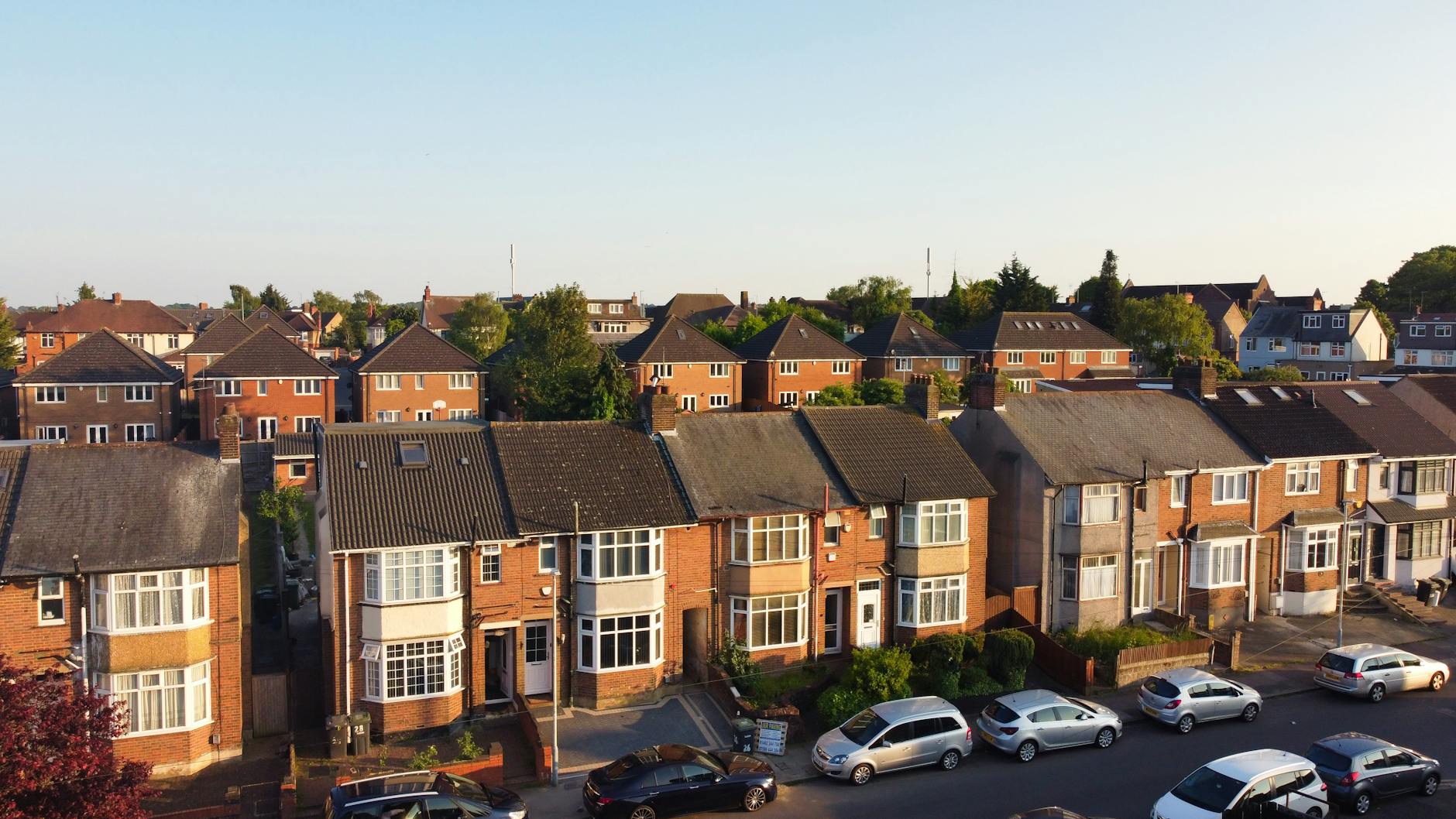
In 1956, a newly qualified NHS doctor earned around £800 a year. A two-bedroom terraced house in Leeds could be bought for approximately £1,500. The doctors who bought one — as an investment, not a home — and held it for the following sixty years ended up with an asset worth somewhere between £150,000 and £300,000, depending on the street. The rent paid the mortgage within a few years. The capital appreciation was almost incidental.
The mechanisms are the same today. The numbers are bigger. And most doctors are still not in the game.
Not because property is out of reach. Not because the yield isn’t there. But because medicine trains you for clinical excellence and leaves you entirely unprepared for the question of what to do with the money you earn. We’re told — implicitly, consistently — that our job is the income, and that someone else handles the assets. A pension. A savings account. ISA contributions to the maximum. The financial equivalent of staying in your lane.
The lane is comfortable. It’s also quietly expensive.
Why Doctors Are Perfect Buy-to-Let Investors (But Don’t Know It)
Property investing has a reputation problem in medicine. The doctor who “does property” is sometimes seen as a bit mercenary, a bit distracted from the real work. This is nonsense, but it’s worth naming because it shapes behaviour.
The reality is that doctors have almost every characteristic of an ideal buy-to-let investor. You’re a high earner with the capacity to save a meaningful deposit. Your employment is stable enough to satisfy any lender in the country. You have the analytical skills to read a set of numbers and understand risk. You almost certainly have savings or equity already accumulating. And you are, statistically, decades away from needing to liquidate your assets in a hurry.
The one thing you probably don’t have is a clear picture of how this actually works in practice. So let’s fix that.
The Numbers That Actually Matter
Property investment, at its core, is a simple equation. You put in a deposit — typically 25% for a buy-to-let mortgage. The bank lends you the rest. The tenant pays the mortgage, and ideally a bit more. Over time, the property appreciates in value while your equity grows.
The key figures:
Gross rental yield = Annual rent ÷ Property price × 100
A property that costs £150,000 and rents for £750 per month generates £9,000 per year — a gross yield of 6%. [VERIFY current market averages] In cities like Liverpool, Nottingham, or Sheffield, these yields are achievable at relatively modest capital outlay. In London, they’re harder to find at the entry level.
Net yield adjusts for costs: letting agent fees (8–12% of rent), insurance, maintenance allowance, void periods. A 6% gross yield typically lands at 4–4.5% net in practice.
Cash flow after mortgage is what you actually need to check. On a 25% deposit buy-to-let mortgage in 2026, interest rates are approximately 4.5–5.5% depending on circumstances [VERIFY current BTL mortgage rates]. On a £112,500 loan (75% of £150,000) at 5%, monthly interest is approximately £469. Against £750 rent, that’s £281 per month gross cash flow before costs — tight, but workable in a well-chosen property.
Capital appreciation is not a guarantee, but the historical UK average has been roughly 5–7% per year in nominal terms over the long term [VERIFY]. On a £150,000 property, 5% appreciation is £7,500 per year — accruing to your equity, compounding quietly in the background.
The total return picture, properly constructed, typically outperforms cash savings by a significant margin over a 10-year horizon. That’s not speculation. That’s documented economic history [VERIFY].
What a First Buy-to-Let Actually Looks Like in 2026
The doctors who get stuck at the research stage tend to be looking in the wrong places — either their immediate area (often expensive, thin yields) or their ideals (something nice, something they’d want to live in).
A first buy-to-let is not your home. It is an asset selected on yield, demand, and manageability.
The formula for a solid first BTL in the current UK market [VERIFY]:
Area: High rental demand — student towns, cities with strong job markets and young professional populations (Manchester, Birmingham, Sheffield, Liverpool, Nottingham, Newcastle, Bristol), or areas with infrastructure investment driving rental demand.
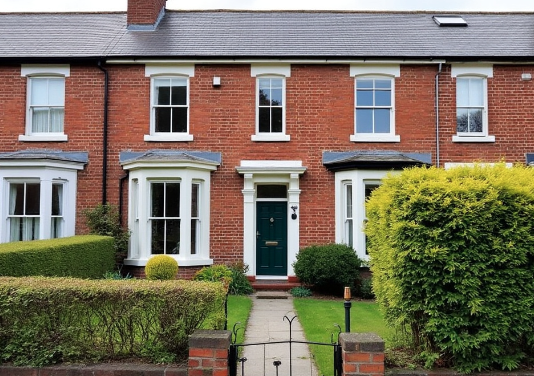
Property type: Two-bedroom terrace or flat. Easy to let, easy to manage, broad tenant pool. Avoid new builds unless the numbers genuinely stack — they typically trade at a premium that compresses your yield from day one.
Price point: £120,000–£180,000. Your deposit at 25% is £30,000–£45,000, plus purchase costs of roughly £3,000–£5,000.
Tenant profile: Young professionals or couples. High-demand properties in the right areas minimise void periods — your biggest risk.
The implication: a doctor with £45,000–£55,000 saved — and many doctors in their middle career have this — can own an investment property within six months of deciding to. The money is not the issue. The decision is.
The Mortgage Piece
Buy-to-let mortgages are assessed differently from residential mortgages. The key metric is the rental income relative to the mortgage payment, not your salary alone — though most lenders do check personal income and require a minimum (typically £25,000/year).
The stress test: most lenders require the rent to cover 125–145% of the interest-only payment at a stressed rate (often 5.5–8% depending on the lender). Run the numbers before you fall in love with a property.
Higher earners face an additional consideration: since 2020, mortgage interest relief is limited to the basic rate (20%) for personally owned buy-to-lets. Higher and additional rate taxpayers can no longer deduct mortgage interest directly from rental income. This has pushed many investors toward limited company structures for new purchases [VERIFY current rules], though the added complexity means it’s not always the right answer for a first property. Speak to a property-specialist accountant before deciding.
Mortgage brokers who specialise in buy-to-let and in professional borrowers are worth using over your high street bank. They have access to lender panels you don’t, and they will save you time you don’t have.
Five Action Steps
- Run the yield calculation on three properties this week. Find three properties listed for both rent and sale in a target area. Calculate gross yield. This is the fastest way to calibrate what good looks like.
- Call one BTL-specialist mortgage broker. Get an indicative Decision in Principle. Know your borrowing capacity before you look at a property seriously.
- Open a separate savings account for your deposit if you haven’t already. Label it. Give it a target. This changes how you think about the money.
- Visit one target area as a researcher. Look at rental listings. Walk the streets. Talk to a local letting agent about void rates and typical tenants. This takes a Saturday morning. It is irreplaceable.
- Book thirty minutes with a property-specialist accountant. Understand your tax position before you buy. Ask specifically whether a personal or limited company purchase makes sense for you.
The first buy-to-let is not the end of the story. It is the proof that the story can exist at all. The doctors who build real property portfolios all say the same thing about their first purchase: the hardest part was believing it was possible before it happened.
After the first one, it becomes very difficult to argue that it isn’t.
For more topics on building a life of time and financial freedom, sign up for our weekly newsletter at www.building-out.com
This post is for educational purposes only and does not constitute financial advice. Always do your own research and, if needed, ask for advice from a qualified financial adviser regulated by the FCA.



















































Leave a Reply