
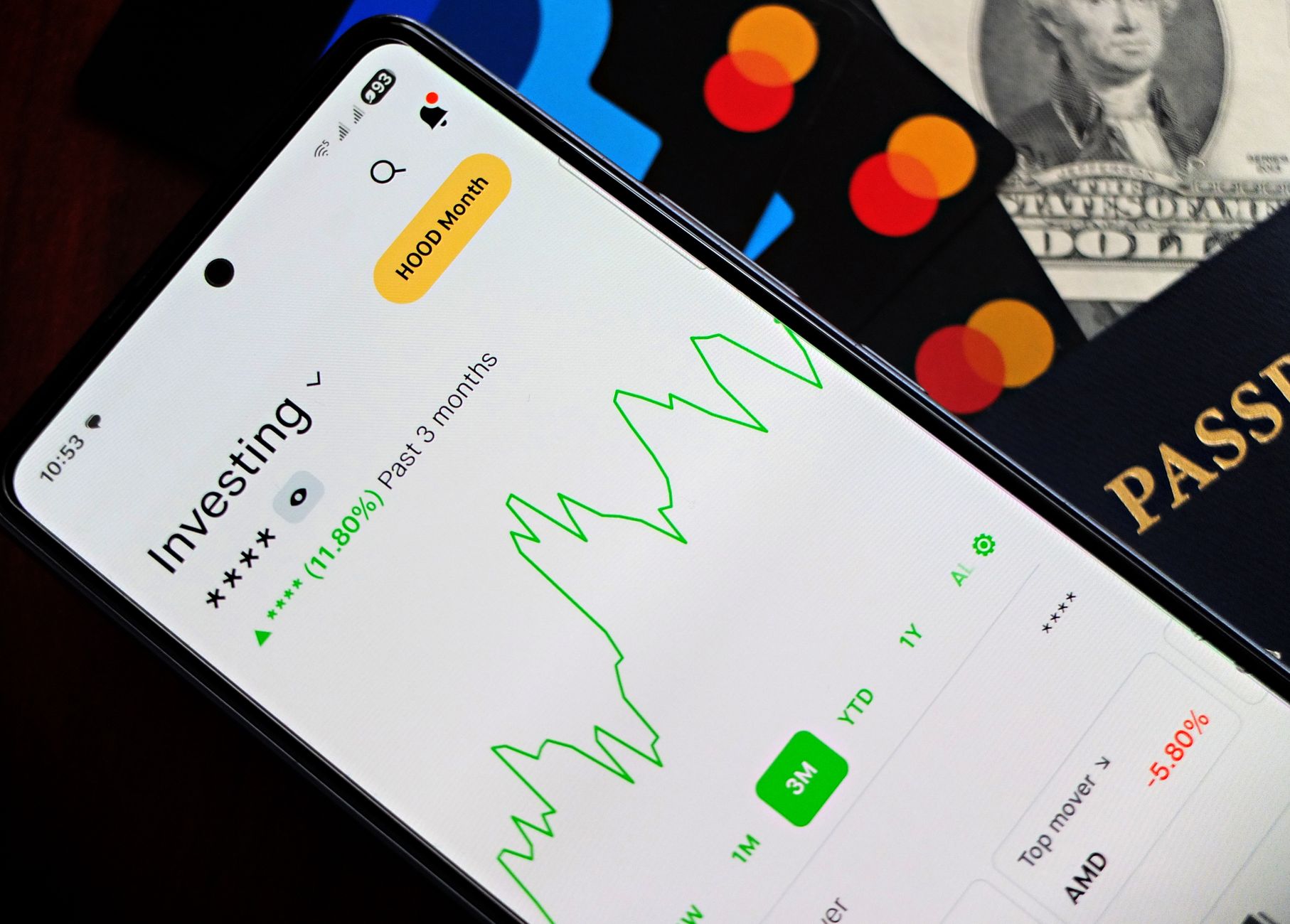
I remember sitting in my car after a night shift, exhausted, staring at my bank balance on my phone. I’d just worked 12 hours. My feet hurt. I hadn’t seen my kids awake in three days. And somehow, despite earning what most people would consider a decent salary, I still felt like I was running on a hamster wheel.
That moment sticks with me because it was the beginning of a slow realisation that completely changed how I think about money.
See, I’d spent my whole life believing a simple equation: work harder = earn more = life gets easier. It’s what we’re taught, isn’t it? Study hard, get a good job, climb the ladder. The money will follow, and eventually you’ll have enough breathing room to actually enjoy life.
Except it wasn’t working out that way. Not for me. And I started noticing it wasn’t working out that way for most of the professionals around me either — colleagues, friends, other doctors who’d followed the same path and ended up in the same place. Good salaries on paper, but somehow still feeling stretched.
It took me years — and a lot of uncomfortable conversations with people who’d actually built wealth — to understand what I’d been missing. The problem wasn’t my income. The problem was my mindset. I was thinking about money the way I’d been taught to think about it. And that thinking was keeping me stuck.
Today I want to share what I’ve learned about how different groups of people think about money — not to judge anyone, but because understanding these patterns genuinely changed my trajectory. And I think it might change yours too.
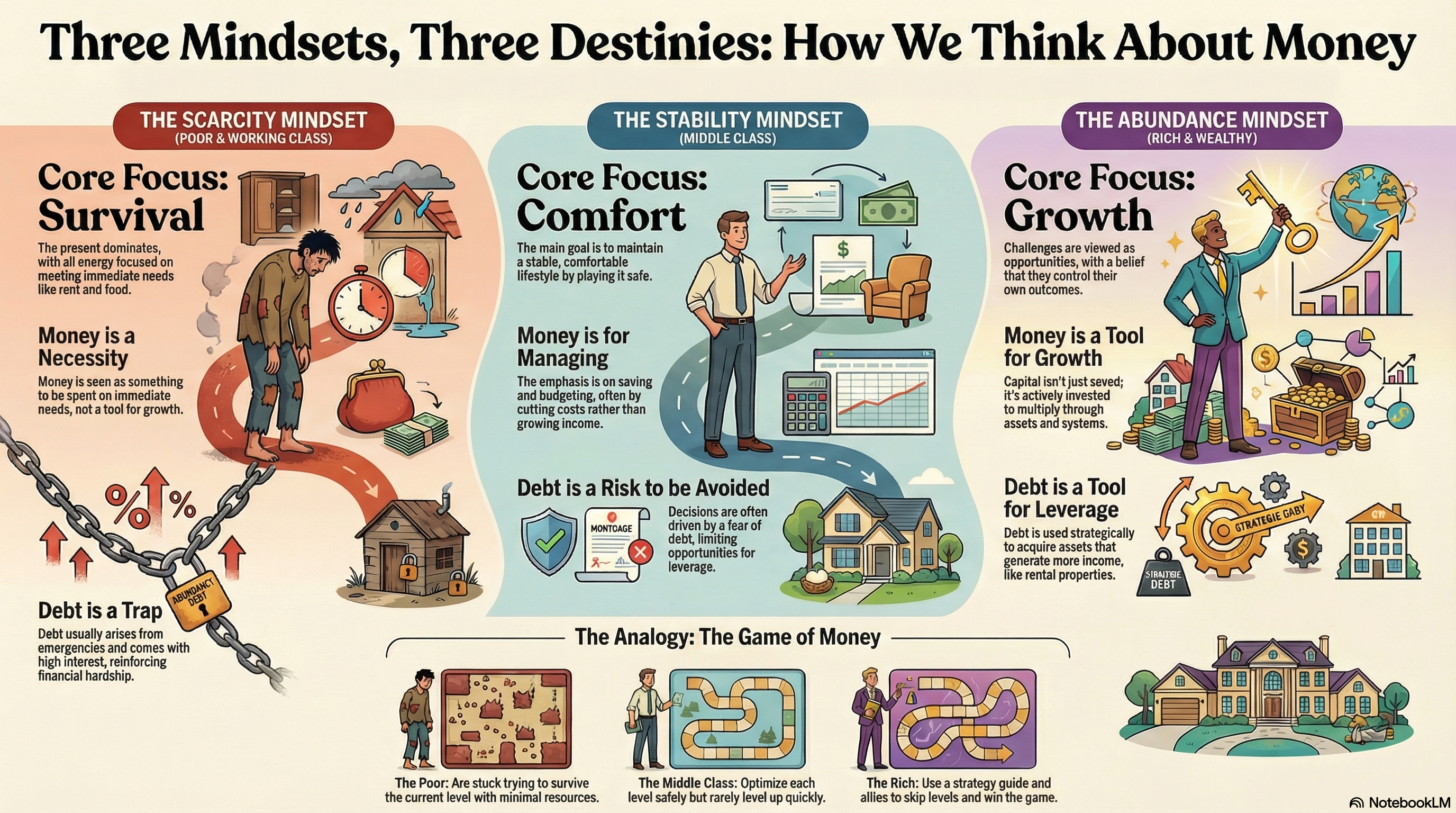
The Trap Nobody Talks About: What Scarcity Actually Does to Your Brain
Before I get into the different mindsets, I need to talk about something that doesn’t get enough attention. It’s the reason why “just work harder” or “just be more disciplined” advice falls flat for so many people.
When money is genuinely tight — I mean properly tight, where you’re not sure if the direct debit for the electricity is going to bounce — something happens to your brain. Psychologists have studied this extensively, and they call it “cognitive load” or “bandwidth tax.”
Here’s how it works in practice.
Imagine your brain has a certain amount of processing power each day. When you’re constantly worried about money — juggling which bills to pay first, figuring out how to make it to payday, dreading the sound of post coming through the letterbox — a huge chunk of that processing power gets consumed by financial stress. It’s not a choice. It’s neurological.
The researchers at Princeton found that financial worry can reduce cognitive function by the equivalent of losing a full night’s sleep. Think about that. If you’ve ever tried to make an important decision when you’re absolutely knackered, you know how hard it is to think clearly. Now imagine feeling that foggy all the time when it comes to money.
This is why people in financial hardship often make decisions that seem counterproductive from the outside. It’s not because they’re stupid or lazy. It’s because their mental bandwidth is completely consumed by immediate survival. There’s simply no capacity left for long-term planning.
I saw this constantly when I was working in A&E. Patients who’d put off going to the GP for months because they couldn’t afford to take time off work. Parents who’d skipped meals so their kids could eat. People making choices that seemed irrational until you understood the impossible position they were in.
The scarcity mindset isn’t a character flaw. It’s a survival mechanism. And the first step to escaping it is understanding that it exists — and that it might be affecting you more than you realise.
The Middle Class Trap: Playing It Safe All The Way To Stagnation
Right. Here’s where things get uncomfortable, because I’m essentially describing my own mindset for most of my adult life.
The middle class approach to money feels sensible. It feels responsible. Save for retirement. Don’t take unnecessary risks. Get the pension sorted. Pay off the mortgage as fast as possible. Buy a nice car because you’ve earned it. Take the kids on holiday once a year.
None of that is wrong, exactly. But there’s a problem with it that took me far too long to see.
The middle class focuses almost entirely on defence.
What do I mean by that? Well, think about how most middle-class families approach money. The conversation is almost always about not losing rather than gaining. Don’t get into debt. Don’t overspend. Don’t take risks with your savings. Cut the subscriptions you’re not using. Switch energy providers. Find a better deal on the car insurance.
Again — none of that is bad advice. But here’s the thing: there’s a ceiling to how much you can save through cost-cutting. You can optimise your expenses by maybe 20 or 30 percent if you’re really disciplined. But there’s no ceiling on what you can earn or build.
I spent years obsessing over reducing costs when I should have been thinking about increasing capacity.
The other thing about the middle class mindset — and this one really stung when I finally recognised it in myself — is that we often confuse liabilities with assets.
That bigger house we stretched to buy? It’s not an asset. It’s costing us money every single month in mortgage payments, maintenance, insurance, council tax. The equity might grow over time, sure. But it’s not putting money in our pockets. It’s taking it out.
The nice car on finance? Depreciating faster than we can pay it off. The kitchen renovation? Made the house a bit nicer to live in but added maybe 60% of what we spent to the property value.
I’m not saying don’t buy a house or don’t have a nice car. I’m saying I spent years thinking I was building wealth when I was actually just accumulating stuff that looked like wealth but behaved like debt.
The hardest pill to swallow was realising that my entire financial strategy — work hard, get promoted, save what’s left, don’t do anything risky — had an expiration date. It works fine in your twenties and thirties. But inflation keeps rising. Job security keeps declining. And at some point you look up and realise you’ve been optimising a system that was never going to get you where you actually wanted to go.
What Changed: The Conversations That Rewired My Thinking
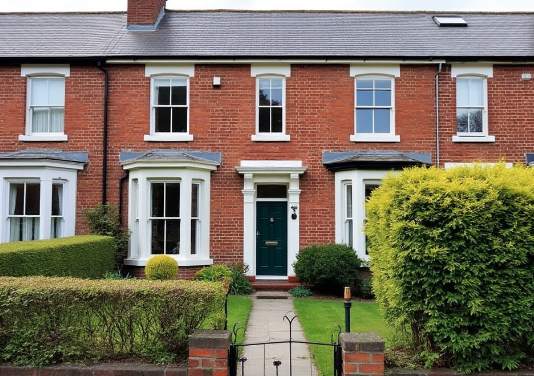
The shift for me started with property. Specifically, with a conversation I had with an investor who owned about fifteen rental properties.
I’d assumed he must have been born wealthy or gotten lucky with an inheritance. Turns out he’d started as a teacher. Not exactly rolling in cash. But he’d bought his first property in his late twenties using a small deposit he’d saved over three years, and he’d built from there.
What struck me wasn’t the mechanics of property investing. It was how differently he thought about money.
When I looked at a mortgage, I saw debt. Scary, obligating, something to pay off as quickly as possible.
When he looked at a mortgage, he saw leverage. A tool that let him control a £200,000 asset with £40,000 of his own money. An asset that generated rent every month and (historically, over time) appreciated in value.
Same financial instrument. Completely different mental models.
He said something that stuck with me: “The middle class are taught to avoid debt. The wealthy are taught to use debt strategically. That’s one of the biggest differences.”
Now, I want to be careful here. I’m not saying everyone should rush out and leverage themselves to the hilt to buy property. That would be stupid and dangerous advice. What I am saying is that the blanket rule I’d absorbed — all debt is bad, avoid it at all costs — was actually preventing me from seeing opportunities that could genuinely build wealth.
There’s a massive difference between consumer debt (credit cards, car finance, buy-now-pay-later schemes that buy you things that depreciate) and strategic debt (borrowing to acquire assets that generate income or appreciate faster than the interest costs).
Learning to distinguish between the two was one of the most valuable mental shifts I’ve made.
Time: The Asset Nobody Thinks About Properly

Here’s another one that took me embarrassingly long to figure out.
Early in my career, I measured my financial progress in hourly terms. How much do I earn per hour? If I pick up an extra shift, that’s another X amount in my pocket. Simple maths.
But here’s the problem: that equation has a hard ceiling. There are only so many hours in a day. I can work more shifts, but at some point I hit a wall. There’s no more time to sell.
The people I started talking to who’d actually built wealth — not just earned good salaries, but built wealth — thought about time completely differently.
They asked questions like: “How can I make money while I’m asleep?” and “What can I create or buy that will generate income whether I’m working or not?”
It sounds obvious when you say it out loud. But I’d never seriously asked myself those questions. I was too busy trading hours for pounds, thinking that was the only game in town.
The shift from selling time to buying assets that work for you isn’t an overnight thing. It takes time to build. But just understanding that there is a different game changed how I made decisions.
These days, before I commit time to anything, I ask myself: is this a one-time exchange (I do the work, I get paid, end of story) or could this build something that keeps generating value? That simple filter has completely changed how I spend my time.
The Long Game: Thinking in Decades Instead of Months
I mentioned earlier that I’m a dad. And honestly, having kids changed how I think about money more than almost anything else.
When you’re young and single, your financial horizon is basically… yourself. Maybe you think a few years ahead. Save for a holiday. Save for a house deposit. But the planning doesn’t extend much further than that.
Having kids stretches that horizon out dramatically. Suddenly you’re thinking about school fees, university costs, helping them get on the property ladder, maybe leaving something behind for them.
But here’s what really shifted for me: I started noticing that the people who’d built serious, lasting wealth weren’t just thinking about their kids. They were thinking about their grandkids. People they might never even meet.
That sounds abstract, but it has really practical implications for how you make decisions.
If you’re optimising for next month, you make one set of choices. If you’re optimising for the next decade, you make different choices. And if you’re optimising for generations — if you’re asking “what am I building that will outlast me?” — you make different choices again.
The middle class plans for retirement. The wealthy plan for legacy.
I’m not saying everyone needs to think about building a dynasty. That’s not realistic for most people. But just extending your mental time horizon — asking “where does this decision leave me in ten years, not ten months?” — can fundamentally change what seems like the right choice.
The Three Questions I Ask Myself Now
I’ve rambled on long enough, so let me try to make this practical. After all the reading, the conversations, the trial and error — here are the three questions I now ask myself before making any significant financial decision:
1. Am I trying to cut costs, or increase my capacity to earn?
Both matter. But I spent years over-indexing on the first one. Switching energy providers while ignoring opportunities to build skills or assets that could dramatically increase my income. Now I try to spend at least as much mental energy on the “how do I earn more?” question as I do on the “how do I spend less?” question.
2. Is this an expense, or could it become an asset?
Before I spend money on anything significant, I ask: is this money gone forever, or could it potentially work for me? Sometimes the answer is “it’s gone, but that’s fine — I’m buying an experience or something that improves my life.” No problem with that. But I want to be intentional about it, not just defaulting to spending because that’s what I’ve always done.
3. What does this decision look like in ten years?
This one has probably saved me the most money and stress. When I’m tempted by something shiny — a nicer car, a bigger house, whatever — I try to project forward. Will I be glad I made this choice in a decade? Or will I wish I’d done something different with that money?
A Final Thought: It’s Not About Judgement
I want to be really clear about something before I finish. This isn’t about judging people who are struggling financially. That would be ridiculous and cruel. As I said earlier, the scarcity trap is real, it’s neurological, and people in that position are often making the best decisions they can with the bandwidth they have available.
This is about awareness. Understanding the patterns that keep people stuck — including patterns I followed for years — and recognising when those patterns might be holding you back.
The biggest lie about money is that it’s all about how much you earn. It’s not. I’ve met people earning six figures who are stressed and stuck, and I’ve met people on modest incomes who are slowly, steadily building wealth that will transform their family’s future.
The difference isn’t income. It’s mindset.
And here’s the good news: mindset can change. Mine did. Slowly, imperfectly, with lots of mistakes along the way. But it changed.
The first step isn’t a new investment strategy or a better budgeting app or a side hustle.
The first step is asking yourself: “How am I currently thinking about money? And is that way of thinking actually serving me?”
If the answer is no, you can start thinking differently. Today.
For more thoughts on building a life of time and financial freedom, sign up to our weekly newsletter at www.building-out.com
This post is for educational purposes only and does not constitute financial advice. Always do your own research and, if needed, seek guidance from a qualified financial adviser regulated by the FCA.
Good luck on your journey.































































Leave a Reply